Canada
 USA
USA Japan
Japan

Understanding Solar Lighting Costs: A Practical Guide

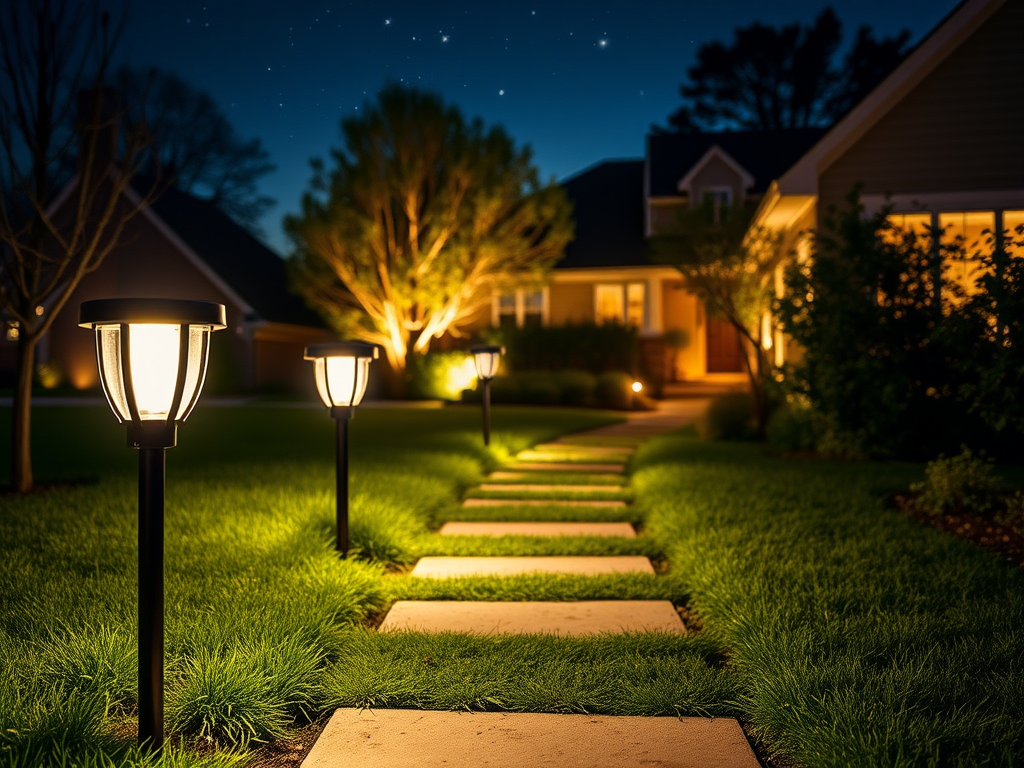
The sticker shock of a $200 solar lighting system feels real. The monthly $4 charge on your electric bill for running the old wired lights feels invisible. This is an accounting illusion. You must reframe the expense as a one-time pre-payment for a utility.
Do the math: Take the total system cost. Subtract any available tax credits or rebates (check the Database of State Incentives for Renewables & Efficiency). Now, estimate your current annual operating cost. For example, four 15W halogen path lights run for 6 hours each night use 0.36 kWh daily. At the U.S. average of $0.16/kWh, that’s about $21 per year. Now, estimate the system’s lifespan (a quality system: 10 years). Divide your net system cost by 10. That’s your annualized cost.
If the net system cost is $300, that’s $30/year. Compared to $21/year for grid power, it seems like a loss. But you’ve forgotten key variables:
Inflation Hedge: Electricity rates historically rise 2-3% per year. Your solar cost is locked at $0 for fuel, forever.
Resilience Value: When the grid fails, your pathways, steps, and security remain lit. Assign a value to that safety.
Installation Savings: No electrician fees, no trenching, no permits. Add that $500-$2000 saved back into the equation.
Increased Property Value: Functional, beautiful, and resilient landscaping is an appraisable asset.
Suddenly, the 10-year picture looks different. The grid-powered option might cost $250+ in rising electricity bills plus a $1000 installation. The solar option: a one-time $300. Over a decade, solar isn’t the expensive choice; it’s the frugal, forward-thinking capital improvement. You’re not buying a product. You’re buying future nights, pre-paid at today’s prices, immune to inflation, and delivered by the sun. That’s an investment, not an expense. Run your own numbers. The math is almost always quietly, decisively in favor of the sun.