Canada
 USA
USA Japan
Japan

How LED Upgrades Increase Multifamily NOI

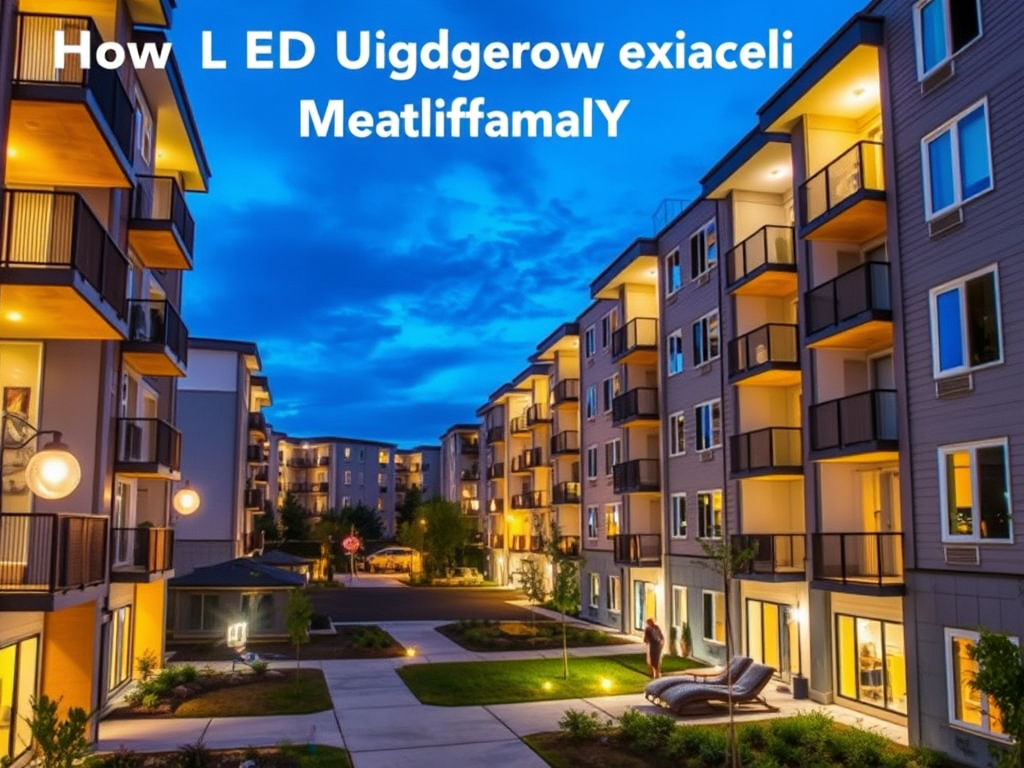
I consult for multifamily properties. Last year, a 200-unit complex in Atlanta was struggling: 88% occupancy, stagnant rents, rising utilities.
The owners wanted to raise rents but feared vacancies. I suggested something counterintuitive: Raise rents 5%… and convert every unit to LEDs first.
Their response: “Why would anyone pay more for lightbulbs?”
Here’s why:
The math:
Conversion cost: $60/unit × 200 units = $12,000
Utility savings (owner-paid common areas): $8,400/year
Marketing advantage: “All-LED lighting” as premium feature
Maintenance savings: $3,200/year (no more bulb changes)
The pitch to residents:
“Your new LED lighting will save the average household $15-20/month on electricity. Your rent increase is $35/month. Net cost: $15-20/month for vastly better lighting that never needs changing.”
We converted during turnover. As units became vacant, we’d:
Install LEDs throughout
Add smart bulbs in living rooms (basic ones)
Update listing: “Premium LED lighting + smart home features”
Raise rent $35
Results over 6 months:
Occupancy increased to 96% – faster leasing at higher rates
Renewals increased 22% – residents liked the better lighting
Maintenance calls dropped 40% – mostly bulb-related calls eliminated
Google reviews mentioned “great lighting” – unusual for apartment reviews
But here’s the sneaky part: The property valuation.
Cap rates in Atlanta were 5.5%. The increased NOI (net operating income) from:
Higher rents: $84,000/year
Lower utilities: $8,400/year
Lower maintenance: $3,200/year
Total: $95,600/year
Increased property value: $95,600 ÷ 0.055 = $1,738,000
The $12,000 LED investment increased property value by $1.7 million. That’s not a typo.
The new owners? They’re converting all their properties. The lesson? In multifamily, everything affects NOI. And NOI is everything.
LEDs aren’t an expense. They’re a valuation multiplier.