Canada
 USA
USA Japan
Japan

Transform Your Home: Essential Tips for LED Lighting Efficiency

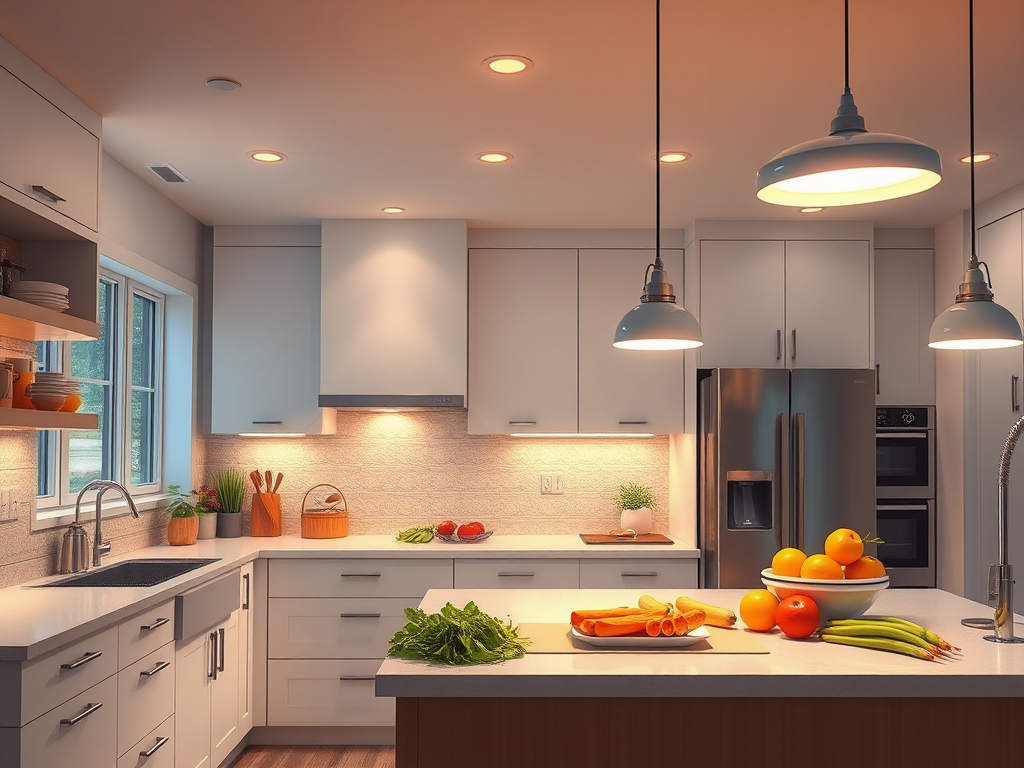
Knowing that LEDs save money is one thing; knowing where to deploy them for maximum impact is another. Not all light fixtures are created equal in the calculus of savings. A strategic, room-by-room approach ensures you get the fastest return on your investment and the greatest reduction in your electricity bill. Think of it as a tactical home lighting audit.
Priority 1: The High-Use Zones (The Big Wins)
Kitchen: This is often the #1 target. Overhead canister lights, under-cabinet task lighting, and pendant fixtures over islands are used for hours daily. Swapping out a dozen 50-watt halogen or 60-watt incandescent bulbs in recessed cans for 7-watt LEDs can save $50-$75 per year in this room alone. Choose bright, high-CRI (Color Rendering Index) LEDs (90+) here for food prep and cooking.
Living Room & Family Room: Lamps and overhead fixtures here see long hours of use, especially in the evenings. This is also where dimmable LEDs shine (literally and figuratively). Replacing the bulbs in your most-used table and floor lamps is a quick win. For ceiling fans with multiple bulbs, the savings multiply quickly.
Outdoor Lighting: Porch lights, garage side lights, and landscape floodlights often burn all night long for security. A single 100-watt equivalent incandescent porch light running 12 hours a day can cost over $50 a year. A 15-watt LED equivalent cuts that cost to about $7.50. This is one of the highest-return swaps you can make.
Priority 2: The Marathon Runners (Long-Duration Savings)
Hallways, Staircases, and Bathrooms: These areas often have lights switched on for extended periods or frequently throughout the day. A bathroom vanity with multiple bulbs is a prime candidate. Since LEDs don’t degrade with frequent on/off cycling, they are perfect for motion-sensor lights in closets or pantries.
Home Office: With the rise of remote work, office lighting is now a daily, 8+ hour expense. A quality LED desk lamp and overhead light reduce eye strain and keep energy costs low during your workday.
Priority 3: The Specialized Applications
Enclosed Fixtures & Appliances: Old bulbs in oven hoods, inside refrigerators, or in enclosed ceiling fixtures burn out quickly due to heat. LEDs, with their low heat output, are ideal here and will last for years, eliminating the hassle of frequent replacements.
Dimmable Circuits: Ensure you buy bulbs labeled “dimmable” and check compatibility with your existing dimmer switches. Modern dimmable LEDs allow you to fine-tune ambiance while saving even more energy at lower brightness settings.
Smart Strategy for Implementation:
Don’t Do It All At Once: Start with the fixtures you use most. Replace bulbs as they burn out elsewhere.
Buy in Multipacks: For fixtures with multiple identical bulbs (kitchen cans, vanity bars), buying a 6 or 8-pack is significantly cheaper per bulb.
Understand Labels: Don’t look for watts (power use); look for lumens (brightness). A 800-lumen LED is your 60-watt replacement. Also, choose your color temperature: 2700K-3000K (Warm White) for living areas; 3500K-4000K (Bright White/Cool White) for kitchens, offices, and garages.
Consider Integrated LED Fixtures: For remodels or new builds, consider fixtures where the LEDs are built-in. These are even more efficient and sleek, though the entire fixture must be replaced if the light source fails (many are rated for 50,000+ hours).
By targeting high-use areas first, you’ll see a noticeable drop in your next electricity bill, which then funds the gradual conversion of the rest of your home. This targeted approach turns home lighting from a passive expense into an active, managed investment with a clear and rapid payback.