Canada
 USA
USA Japan
Japan

Upgrade Your Home Lighting: Tips for Efficiency

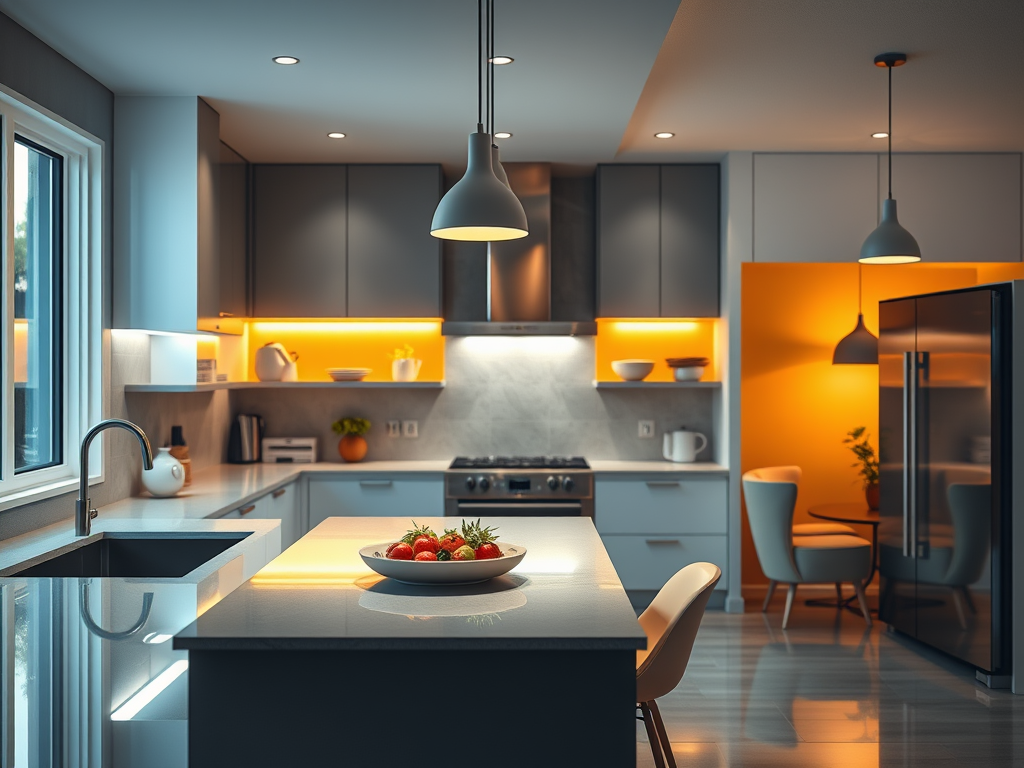
The Hidden Drain – When Your Lights Are Burning Money, Not Brightness
Let’s be honest – that monthly electricity bill often feels like a mystery charge. Did you know the culprit could be hiding in plain sight, right above your head? Outdated incandescent and halogen bulbs are essentially mini heaters, wasting up to 90% of their energy on heat instead of light. Every time you turn them on, you’re literally watching your money evaporate into thin air. Couple that with their frustratingly short lifespans, and you’re stuck in a costly cycle of replacements. With energy prices more unpredictable than ever, American households are feeling the pinch. But it’s not just about the cost. That dull, yellowish glow from a decade-old fixture does nothing for your modern kitchen remodel or your cozy movie night setup. The real issue? You’re paying a premium for an inefficient, rigid, and frankly outdated way to light your life.
Beyond the Bulb – It’s Not Just Saving, It’s Taking Control
Yes, switching to LED is a no-brainer for savings – using up to 75% less energy and lasting 25 times longer than old-school bulbs. For the average American home, that can mean hundreds of dollars back in your pocket every year. But pinching pennies is just the opening act. The real game-changer is total command over your environment. Modern LED lighting, especially smart LED systems, puts you in the driver’s seat. Forgot to turn off the lights before leaving for vacation? A tap on your phone fixes that. Want to shift from bright, 5000K daylight for productivity to a soft, 2700K amber glow for winding down? Do it with your voice or a scheduled routine. This is lighting that adapts to your rhythm, enhances your mood, and even supports better sleep by mimicking natural daylight cycles. It transforms light from a passive utility into an active, responsive asset for your daily life.
The Quality Gap – Why the Cheapest Option Could Cost You More
The marketplace is flooded with LED options, especially ultra-budget ones from obscure brands. It’s tempting to grab the lowest price tag. But when it comes to your family’s comfort and safety, cutting corners has consequences. Cheap LEDs often come with harsh glare that causes eye strain and headaches – the last thing you need during a work-from-home day or your child’s homework time. Their poor Color Rendering Index (CRI) makes everything in your home – from wall paint to a fresh salad – look dull and washed out. Then there’s safety. Products lacking crucial certifications like UL Listing or Energy Star might cut costs on internal components, risking overheating or electrical hazards. You’re not just buying a light bulb; you’re investing in the ambiance and safety of your home. Demand better: seek out flicker-free, high-CRI lighting with robust heat dissipation from reputable manufacturers. Your eyes and your peace of mind are worth it.
Your Upgrade Blueprint – Simple Steps to a Smarter, Brighter Home
Transforming your home’s lighting doesn’t require an electrician on speed dial. Start smart by focusing on high-impact areas. Kitchen & Living Room: Swap that dusty old fixture for a bright, high-CRI LED panel or a smart ceiling light. Instant upgrade. Task Zones: Use dimmable LED desk or floor lamps in your home office and reading nooks for focus-friendly light. Ambiance: LED strip lights are perfect for adding a premium touch under cabinets, along stairways, or behind your TV. When shopping, let three labels guide you: “UL Listed” for safety, “Energy Star” for verified performance and savings, and “Dimmable” for flexibility. Finally, partner with a manufacturer known for solid warranties, clear guides, and responsive U.S.-based support. This upgrade isn’t just a purchase – it’s a long-term investment in a more comfortable, efficient, and intelligent home. Ready to flip the switch?