Canada
 USA
USA Japan
Japan

Mixing & Matching Solar Lights for Professional Results

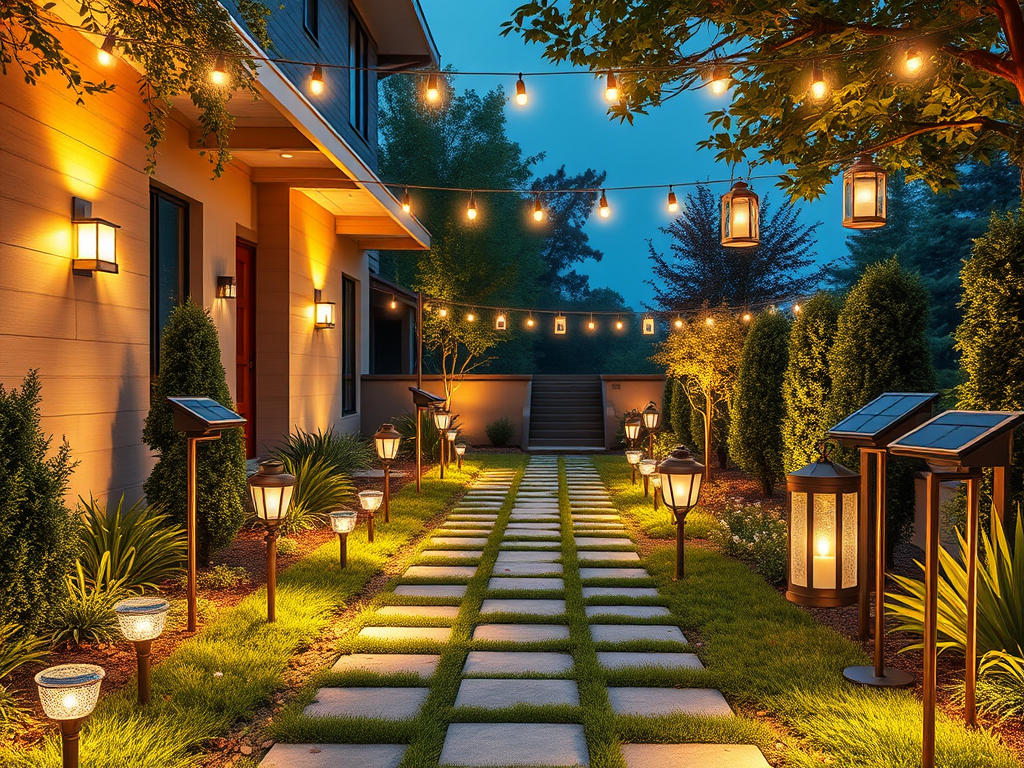
Monolithic lighting looks commercial. Layered, varied lighting looks designed. Here’s how to combine different solar lights effectively:
The height hierarchy principle:
Ground level: Pathway markers, well lights
Mid level: Accent lights, wall sconces
High level: String lights, hanging lanterns
Overhead: Mounted flood lights (when needed)
Style coordination guidelines:
Unified finish: Match metal tones (all bronze or all stainless)
Complementary shapes: Round path lights with spherical hanging lights
Consistent design language: Modern, traditional, or rustic throughout
Functional layering:
Task layer: Brightest lights where needed (grilling area, steps)
Ambient layer: General illumination (overhead strings, lanterns)
Accent layer: Feature highlighting (trees, architecture)
Decorative layer: Purely aesthetic elements
The repetition technique: Repeat one distinctive element (a specific lantern style, unique path light) in multiple locations to create visual rhythm.
Transition zones: Use softer, diffused lights between areas with different purposes (dining to lounging, patio to garden).
Testing strategy: Create a “lighting storyboard” with photos of each light type. Arrange them visually before purchasing to ensure cohesion.
Budget allocation for mixed systems:
50% on primary lighting (path and overhead)
30% on secondary (accent and task)
20% on decorative elements