Canada
 USA
USA Japan
Japan

Solar Security Lights That Work in Rain & Snow

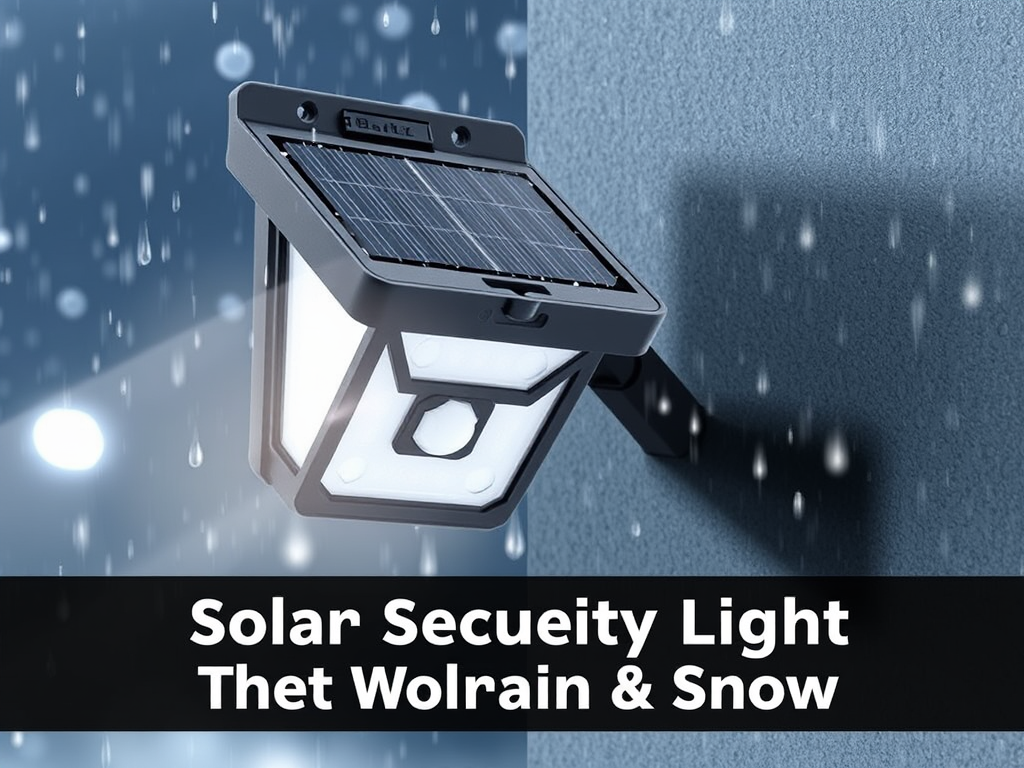
If you live where weather happens (so, everywhere), generic solar lights will disappoint you. Here’s how to choose units that survive real conditions:
Waterproof vs. Weatherproof:
IP65: Handles rain from any angle
IP67: Survives temporary immersion (snow pileup)
IP68: Submersible, for flood-prone areas
The condensation killer: Cheap lights claim waterproof ratings but fail internally. Morning condensation forms inside the lens, eventually shorting circuits. Quality units use breathable membranes that allow air exchange while blocking water.
Snow strategy: Flat-mounted solar panels become snow shelves. Angled panels (minimum 30 degrees) shed accumulation naturally. Better yet: choose detachable panel designs you can mount vertically on fences or walls.
Cold weather battery truth: Standard lithium batteries lose 50% capacity at 0°F. Lithium iron phosphate (LiFePO4) batteries maintain 80% capacity down to -4°F and continue charging in cold conditions.
Real-world testing results:
Minnesota (6-month test): 8 of 12 budget brands failed. All 4 survivors had IP68 rating and cold-weather batteries.
Pacific Northwest (rain test): Only units with sealed lens gaskets survived 45 days of continuous drizzle.
Maintenance must-do: After heavy snow, brush panels clean. Ice will eventually melt, but lost charging days drain batteries.