Canada
 USA
USA Japan
Japan

When to Repair vs. Replace Your Solar Lights

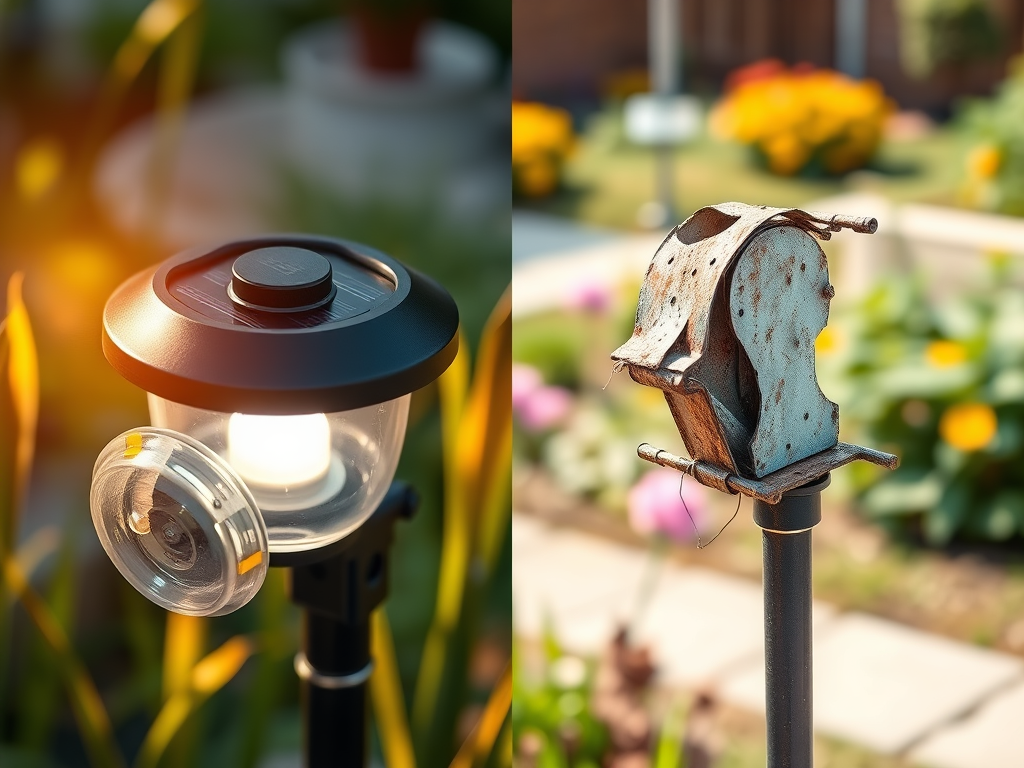
This decision impacts both budget and performance. Use this framework to make smart choices.
Repair when:
Single component failure (battery, panel, LED)
Unit under 3 years old
Repair cost < 40% of replacement
Parts readily available
You have technical skills or affordable labor
Replace when:
Multiple simultaneous failures
Unit over 5 years old
Repair cost > 60% of replacement
Obsolete technology
Performance no longer meets needs
The diagnostic sequence:
Test battery voltage (should be 3.7V+ for lithium)
Check solar panel output in full sun (should be 6V+)
Verify switch/controller function
Inspect for physical damage or corrosion
Common repairable issues:
Battery failure: $5-20 replacement
Dirty contacts: Free cleaning
Loose connections: Free tightening
Corroded terminals: $2-5 replacement
Common replacement triggers:
Water intrusion damage
UV-degraded plastics
Obsolete battery formats
Non-standard proprietary components
Environmental consideration:
Repair: Creates minimal waste
Replace: Proper disposal required
Donate: Working units to community gardens
Recycle: Batteries at designated facilities
The upgrade opportunity:
When replacing, consider:
Higher efficiency panels
Better battery technology
Improved lumen output
Smart features added
Document your decision:
Keep records of:
Repair attempts and costs
Performance before/after
Replacement reasons
Disposal method used