Canada
 USA
USA Japan
Japan

Maximize Solar Lighting with a Simple Sun Path Guide

Stop guessing. The single most important factor in solar lighting success has nothing to do with the light itself. It’s about your property’s relationship with the sun. Conducting a proper sunlight audit is free, takes 20 minutes, and will save you hundreds in failed experiments.
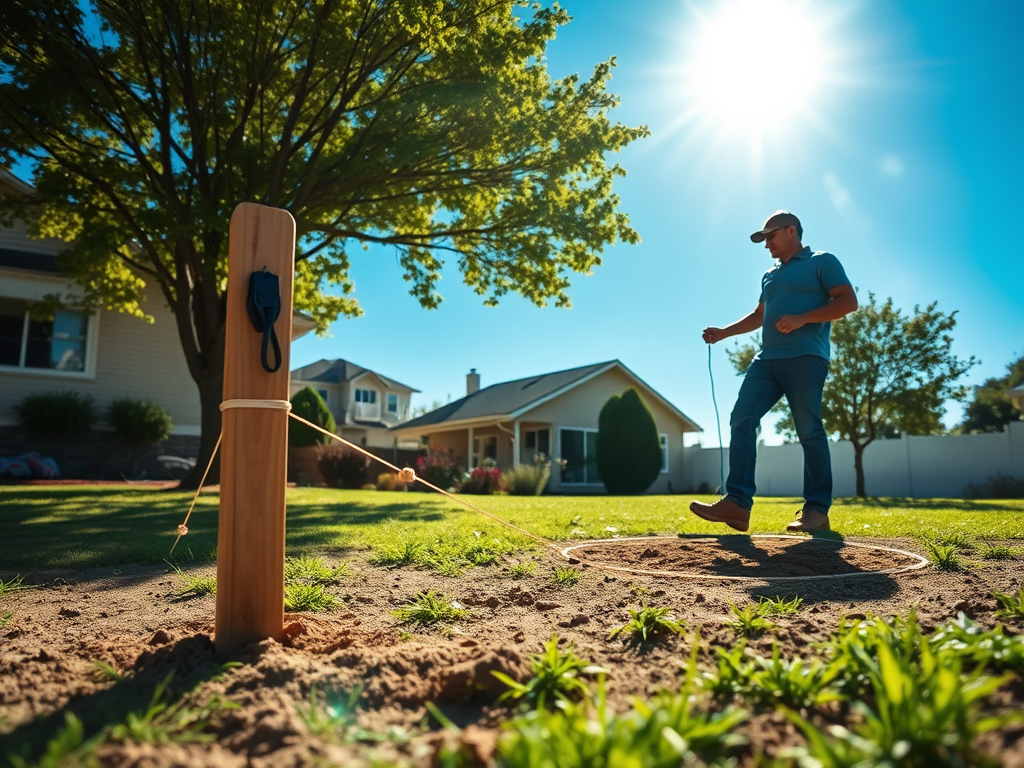
Here’s how real installers do it, simplified. You’ll need three cheap wooden stakes, some string, and a free afternoon. First, identify every location where you want light—the front door, the garage side wall, the midpoint of the driveway. Mark each spot with a stake. This is your “Light Zone.”
Now, the critical part: track the sun’s path over that stake. At 9 AM, draw a circle in the dirt where the shadow of the stake’s tip falls. Do it again at 12 PM, 3 PM, and 6 PM. Connect those circles. That’s your “sun shadow arc” for that spot. The space outside that arc? That’s your cumulative daily sunlight. If at any point between 10 AM and 4 PM that stake is in direct, unshaded sun for a continuous 4-6 hour block, you have a Grade A site. A panel placed there will perform.
If the spot is shaded by a roof overhang, a dense tree, or a fence, you have two choices. Abandon the dream of a top-mounted light there, or commit to a “remote panel” system. This is the professional’s workaround: a small, discreet panel (often mounted on a roof edge, fence cap, or pole) connected by a low-voltage cable to the light fixture placed in the shade. It breaks the “panel must be attached” rule that cheap lights enforce.
The audit reveals another secret: seasonal shift. That spot perfect in July might be in shadow by November as the sun dips lower. Observe on a fall day if possible, or mentally add 20% more shade to your summer assessment for a conservative year-round estimate. This isn’t nitpicking; it’s the difference between lights that fade by 8 PM in December and lights that burn through the long winter night.