Canada
 USA
USA Japan
Japan

Cut Costs and Increase Safety with LED Lighting

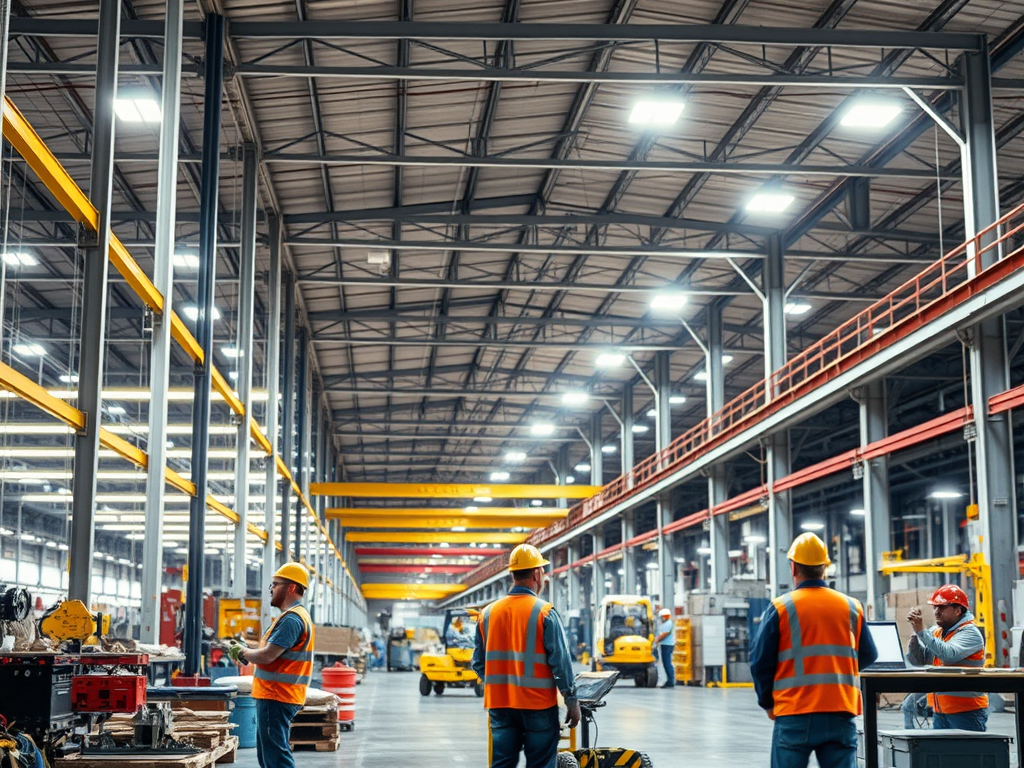
I run a small manufacturing plant in Michigan. Third shift was always a problem: Productivity down 15%, errors up 20%, safety incidents triple.
The consultants said it was “circadian rhythms” and “human factors.” The solution? Better lighting.
Our old metal halide fixtures (400 watts each) created pools of light with dark shadows between. They took 15 minutes to warm up. They hummed. They got hot. And they cost a fortune: $28,000/month for lighting alone across three shifts.
We tested LED high-bays in one section. 150 watts each, instant on, daylight spectrum (5000K).
Results in 30 days:
Productivity increased 9%
Quality errors decreased 14%
Employee satisfaction scores improved (they could actually see)
Electricity for that section dropped 68%
We converted the whole plant. Cost: $180,000 after incentives and rebates.
Annual savings:
Electricity: $112,000 (from $336,000 to $224,000)
Maintenance: $40,000 (no more lamp changes at height)
Cooling: $18,000 (less heat to remove)
Productivity gains: $210,000 (9% × 150 employees × average wage)
Quality savings: $85,000 (14% reduction in rework)
Total first-year benefit: $465,000
Payback: 4.6 months.
But here’s what surprised me: The third-shift transformation. With bright, daylight-mimicking LEDs:
Productivity matched first shift
Error rate dropped below day shift
Safety incidents became rare
Employee turnover dropped from 42% to 11%
We interviewed workers. “It feels like daytime.” “I can actually see what I’m doing.” “I’m less tired.”
The LEDs paid for themselves in energy savings alone. Everything else – productivity, quality, safety, retention – was bonus.
Now we’re experimenting with tunable LEDs that shift from 5000K blue-white during night shifts to 3000K warm white during the day. Early results show even better alertness and sleep patterns for night workers.
The lesson? Lighting isn’t overhead. It’s a tool. The right light makes workers safer, more accurate, more productive. And LED technology finally makes optimal lighting affordable 24/7.
For manufacturers competing globally, that’s not an expense. It’s a competitive weapon.