Canada
 USA
USA Japan
Japan

How LEDs Saved Our Church Money and Energized Community

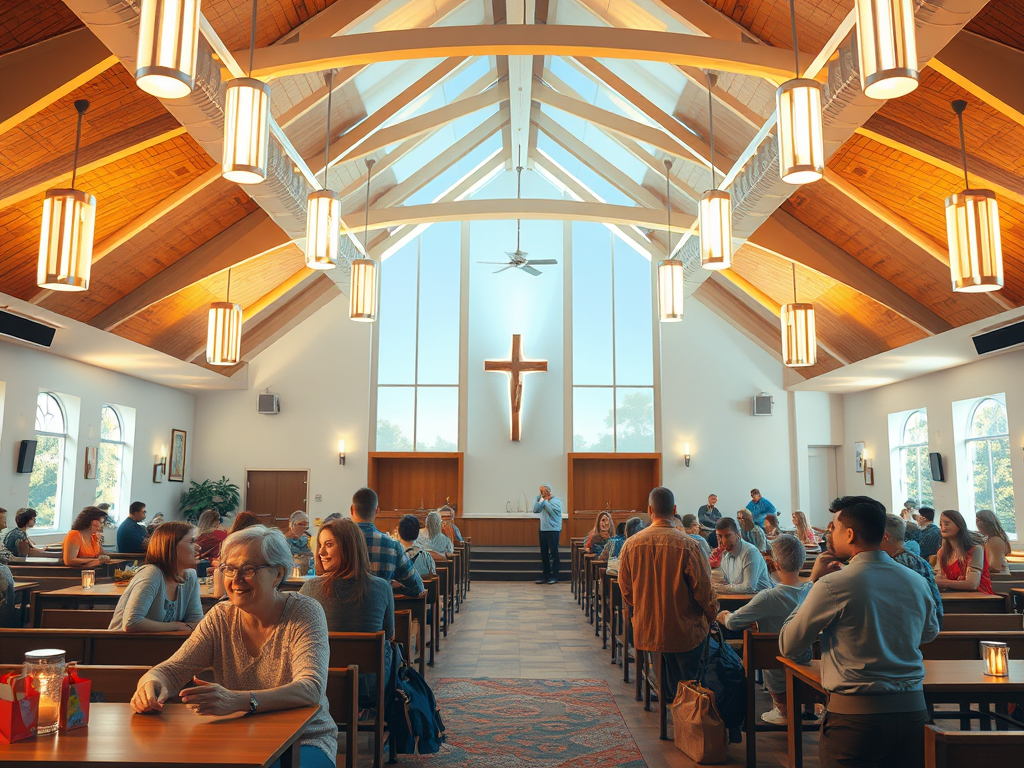
I’m the treasurer at St. Mark’s in Indianapolis. Like every church in America, we’re constantly balancing needs against a tight budget. Our community center was killing us – $480/month electric bills for a building used 20 hours a week.
The lighting? Original 1970s fluorescent tubes. 128 of them. Each drawing 40 watts, plus the ballasts. You could hear the hum from the parking lot.
Our maintenance guy, Frank, kept pushing for LEDs. “The savings will be incredible,” he’d say. But the quote came back at $3,200 for tubes and labor. The board balked.
Then our utility offered an audit. The guy came out, did his thing, and showed us the math: Switching to LEDs would save $2,800 annually. Plus a $800 rebate from the utility. Payback: 10 months.
We still hesitated. $3,200 is a lot for a small congregation.
So we tried one room. The fellowship hall – 24 fixtures. Cost: $600. Next month’s bill dropped $42. That’s $504/year savings from one room.
We did the math differently then: If every room saved proportionally, our payback was actually 8 months. And the LED tubes came with a 5-year warranty. And Frank estimated he’d save 20 hours a year not changing tubes.
We pulled the trigger. Used volunteers from the congregation (retired electricians are a blessing). Did the whole building over three Saturdays.
Results:
Electric bill dropped to $210/month
No more humming or flickering
The place actually looks brighter and cleaner
We qualified for an energy efficiency grant we didn’t know existed
But here’s what we didn’t expect: Rental inquiries went up. Community groups wanted to use our “nice, bright space.” We went from 3 regular groups to 11. Rental income increased $800/month.
The LEDs paid for themselves in savings alone. The increased rentals? That’s pure mission money. We funded a new food pantry with the extra income.
Every nonprofit board should run the numbers. LEDs aren’t an expense – they’re an investment that pays dividends in savings, usability, and community impact.
And Frank? He’s thrilled. He spends his time fixing real problems now, not replacing tubes every other week.