Canada
 USA
USA Japan
Japan

How to Select Replaceable Batteries for Your Solar Lights

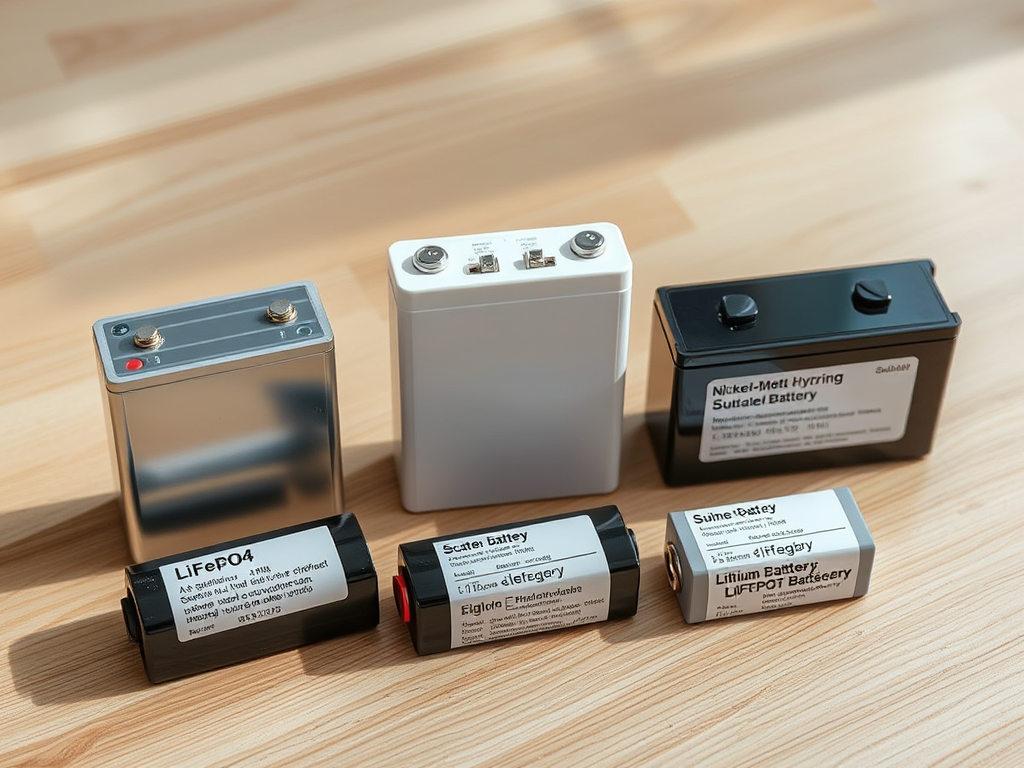
Let’s be blunt: the LED will outlive you. The solar panel will last a decade. The plastic might yellow. But the battery? The battery is the consumable part, the wearing component. Every solar light, from the $10 stake to the $300 security flood, operates on a borrowed heartbeat. Your job isn’t to find the immortal battery—it doesn’t exist—but to find the system designed for its eventual, graceful replacement.
First, understand the chemistry. You’ll encounter three types:
Nickel-Metal Hydride (NiMH): Common in cheap lights. Poor performance in cold, moderate “memory effect” (loses capacity if not fully drained), shorter lifespan. Avoid for primary lighting.
Standard Lithium-ion: The mainstream good choice. Decent energy density, fair cold-weather performance. Will last 2-4 years with daily cycles.
Lithium Iron Phosphate (LiFePO4): The premium workhorse. Costs 30% more, but lasts 2-3 times longer (5-8 years), handles extreme heat (desert summers) and cold far better, and is inherently safer. This is what you want for a “set it and forget it” installation.
The real secret isn’t in the type alone, but in the access. Open the product photo online or the box in the store. Is the battery a standard, replaceable pack (like a large AA or a specific model number like “18650”) that slides out with a latch? Or is it a sealed, proprietary blob wired into the circuit board? The former is a tool. The latter is a planned-obsolete appliance.
When you buy, immediately research the cost and source of a replacement battery. A $80 light with a $15 user-replaceable battery is a smarter investment than a $60 light that becomes a paperweight in three years. Some premium brands even design their electronics to work with upgraded, higher-capacity batteries released in future years. That’s forward thinking. Plan for the battery’s demise on Day One, and you transform the purchase from a disposable consumer good into a maintainable piece of your home’s infrastructure.