Canada
 USA
USA Japan
Japan

Understanding LED Savings: Cut Your Electricity Bill

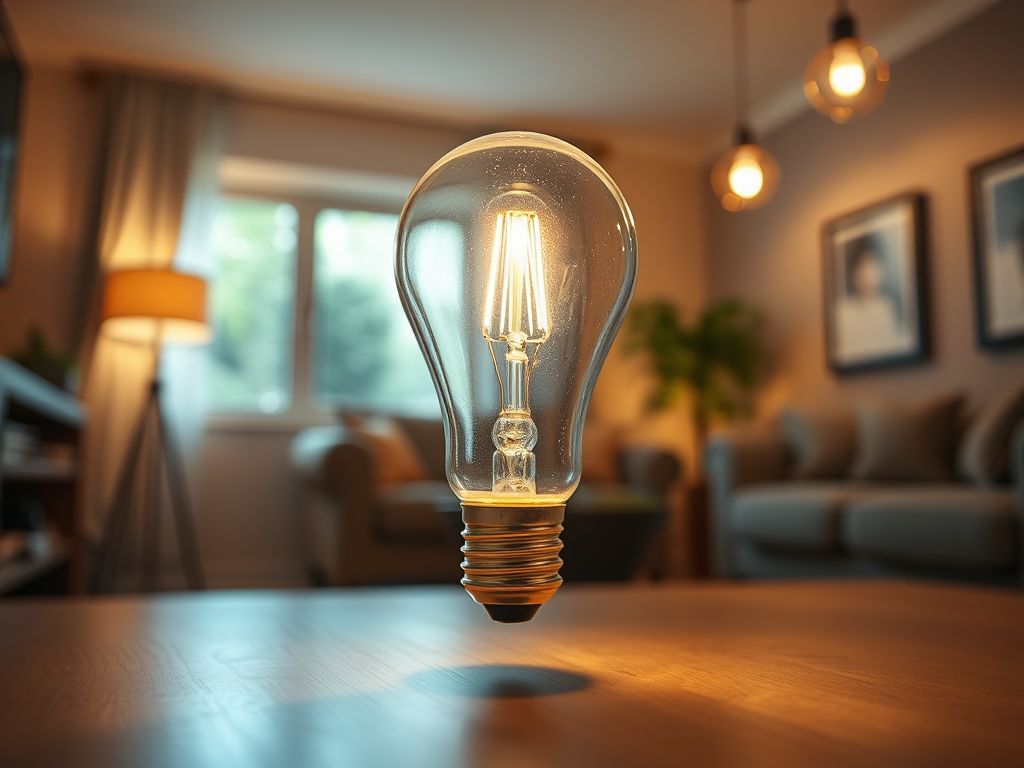
In American households, lighting accounts for nearly 15% of the average home’s electricity use. For decades, we’ve taken the humble light bulb for granted—first the energy-hungry incandescent, then the curly, slow-to-start CFL. But the real game-changer has been the widespread adoption of Light Emitting Diode (LED) technology. The short answer to whether LEDs reduce your electricity bill is a resounding yes. But the full story is even more compelling. This isn’t just about swapping a bulb; it’s about a fundamental shift in efficiency that puts money back in your pocket month after month.
The magic of LEDs lies in their method of producing light. Incandescent bulbs work by heating a thin tungsten filament until it glows white-hot—a process that wastes about 90% of its energy as heat, not light. It’s essentially a tiny space heater that happens to give off some illumination. LEDs, however, are semiconductors. When electricity passes through them, they emit light directly through a process called electroluminescence. This method is incredibly precise and efficient, turning most of the energy into visible light with minimal heat waste.
Let’s talk numbers, because they tell a powerful story. A traditional 60-watt incandescent bulb produces about 800 lumens (a measure of brightness). To achieve the same brightness, an LED bulb needs only about 9 watts. That’s an 85% reduction in energy use for the same light output. In practical terms, if you replace just ten frequently used incandescent bulbs in your home with LEDs, you could be saving over $100 a year on your electricity bill, depending on your local utility rates. Scale that to every socket in your house, and the savings become substantial.
But the financial benefits don’t stop at the monthly bill. LEDs are marathon runners in a world of sprinters. Where an incandescent bulb might last 1,000 hours and a CFL 8,000 hours, a quality LED bulb has a typical lifespan of 15,000 to 25,000 hours. That means you might change an LED bulb once every 15-20 years with normal use. You’re saving not just on energy, but on the cost and hassle of frequent replacements. For hard-to-reach fixtures like vaulted ceilings or outdoor floodlights, this longevity is a particular blessing.
Critics sometimes point to the higher upfront cost of LEDs. It’s true; a single LED bulb costs more than a cheap incandescent at the store. But this is a classic case of “pay now, save later.” The LED’s higher purchase price is typically recouped in energy savings within the first year of use. Over its entire lifespan, a single LED bulb can save you $50 to $100 in total energy costs compared to its incandescent counterpart. It’s one of the simplest and highest-returning investments you can make for your home.
Beyond the pure economics, LEDs offer better light quality and control than ever before. Forget the harsh, cool blue light of early models. Today’s LEDs come in a full spectrum of color temperatures, from warm, cozy glows (2700K) that mimic incandescents to bright daylight tones (5000K) perfect for task lighting. They are also instantly bright, fully dimmable (with compatible dimmer switches), and contain no hazardous materials like the mercury found in CFLs.
In conclusion, making the switch to LED lighting is a no-brainer for the cost-conscious American homeowner. It’s a direct, simple, and effective action that reduces your carbon footprint while increasing your disposable income. The reduction in your electricity bill is immediate, measurable, and long-lasting. In the quest for home efficiency, changing a light bulb might seem like a small step—but when it comes to LEDs, it’s a giant leap for your wallet.