Canada
 USA
USA Japan
Japan

Cut Operating Costs: The Business Case for LED Lighting

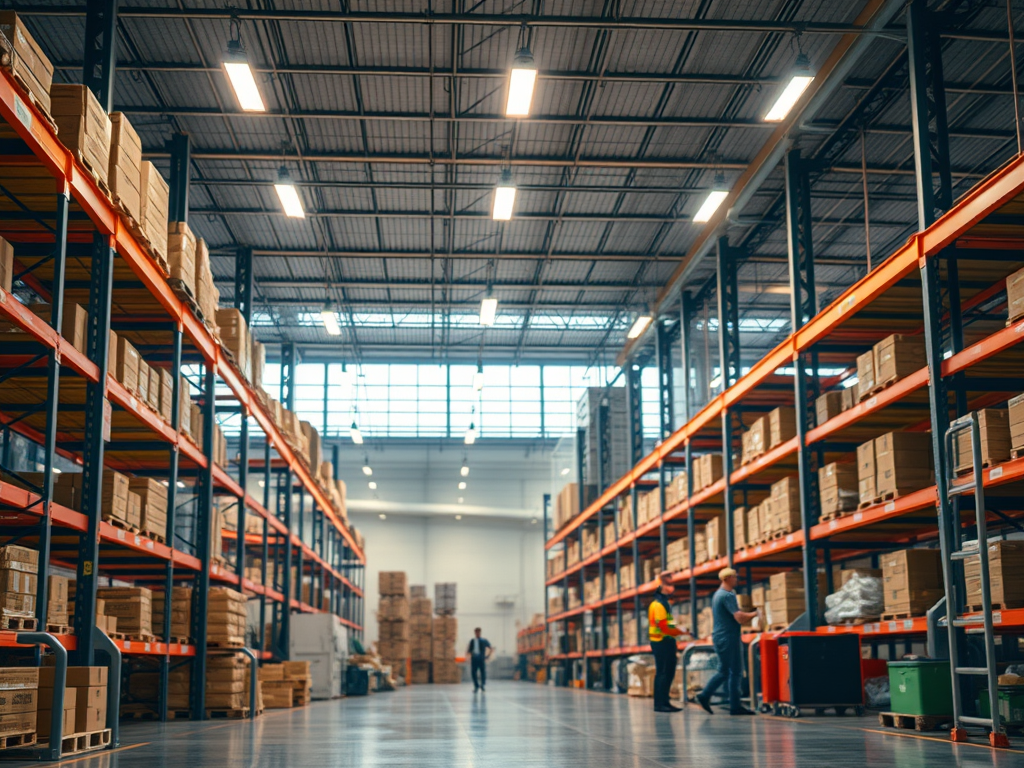
For American businesses, property managers, and landlords, lighting isn’t just a utility—it’s a significant operational expense and a liability. The argument for LEDs shifts here from simple bill reduction to a compelling business case centered on profitability, asset value, and tenant satisfaction. The return on investment (ROI) is often astonishingly fast, making it one of the smartest capital improvements a business can make.
- Dramatic Reduction in Operating Expense (OpEx):
Commercial spaces—offices, retail stores, warehouses, apartment common areas—have lights on for extended hours, often 12-24 hours per day. The energy savings are therefore magnified. Replacing a single 400-watt metal halide high-bay light in a warehouse with a 150-watt LED high-bay can save over $350 per year per fixture at commercial electricity rates. For a property with hundreds of fixtures, the annual savings can run into tens or even hundreds of thousands of dollars, directly boosting net operating income (NOI). - Slashing Maintenance Costs (A Major Hidden Savings):
Labor is expensive. Sending a staff member or hiring an electrician with a lift to change hard-to-reach bulbs in a high ceiling, parking garage, or exterior facade is a recurring cost. LEDs last 3-4 times longer than even the best commercial fluorescents. This drastically reduces the frequency and cost of relamping. For large facilities, this can mean eliminating an entire category of maintenance contracts and freeing up staff for more productive tasks. - Improved Tenant Attraction and Retention (For Landlords & Multi-Family):
All-Inclusive Units: Landlords who include electricity in rent see an immediate, direct benefit from lower bills.
Market Differentiation: Offering an apartment or office space with modern, high-quality LED lighting is a selling point. It signals a well-maintained, efficient, and forward-thinking property.
Tenant Satisfaction: Better light quality (high CRI) improves the work or living environment. Consistent, flicker-free light reduces eye strain. Tenants appreciate not having to change bulbs frequently.
- Enhanced Safety, Security, and Productivity:
LEDs provide excellent instant illumination for security lighting in parking lots and walkways.
In workplaces, studies have shown that quality lighting (especially tunable white LEDs that mimic daylight) can improve employee mood, alertness, and productivity—a soft ROI that is highly valuable.
- Utility Rebates and Tax Incentives:
Many utility companies offer substantial cash rebates to commercial customers who upgrade to energy-efficient lighting, as it helps the utility manage peak demand. Additionally, the IRS Section 179D deduction (Energy Efficient Commercial Buildings Deduction) can provide a tax benefit of up to $1.80 per square foot for qualifying lighting upgrades. These incentives can often cover 20-50% of the project’s upfront cost, accelerating the payback period to under 2 years, and sometimes even under 1 year. - Increased Property Value:
A lower operating expense (higher NOI) directly translates into a higher valuation for income-producing properties. An appraiser or potential buyer will see the modern LED infrastructure as a valuable, long-lasting asset that reduces future capital expenditure risk.
For a business owner or property manager, the LED question is not “if” but “when.” The combination of hard dollar savings, soft benefits, and available incentives creates an overwhelming financial argument. Conducting a professional lighting audit is a standard service offered by many electrical contractors and lighting distributors, who can provide a detailed ROI analysis. In the competitive commercial landscape, upgrading to LED lighting is less an expense and more a strategic investment in operational excellence and long-term profitability.