Canada
 USA
USA Japan
Japan

Why LED Bulbs Cut Your Energy Costs Significantly

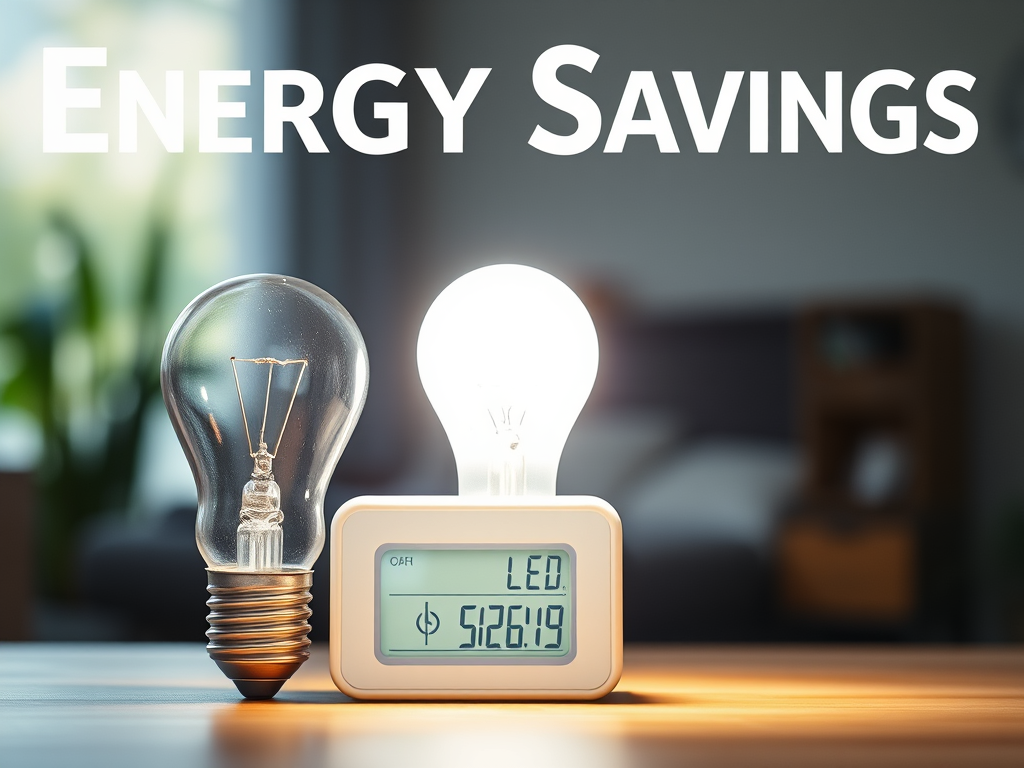
Alright, let’s cut through the hype. You’ve seen the claims on those multipacks at Home Depot—”Save 85% on energy!” But when you’re staring down a $150 monthly electricity bill, you want cold, hard numbers. How much can switching to LEDs really put back in your pocket?
Here’s the straight talk: If you’re still rocking those old-school incandescent bulbs (you know, the ones that could double as a hand warmer), you’re basically burning dollar bills every time you flip a switch. Lighting eats up about 15% of the average American home’s energy use. That’s not chump change.
Let me break it down with some real-world math. Say you’ve got 30 light sockets in your house—pretty average for a 3-bedroom home. If half of those are still 60-watt incandescents you’re using about 4 hours a day, you’re looking at roughly $175 a year just to keep those 15 bulbs lit. Now swap those out for 9-watt LEDs that give you the same light. Your annual cost drops to about $26. That’s $149 back in your wallet without changing a single habit.
But here’s where it gets interesting—most of us underestimate how long lights are actually on. That hallway light left on “for just a minute” while you haul groceries? The bathroom vanity during your kid’s 45-minute “getting ready for school” routine? The porch light burning from dusk till dawn? These are the energy vampires, and LEDs absolutely crush them.
Take security lighting. That old 100-watt floodlight on your garage running 12 hours nightly costs you about $52 a year. A 15-watt LED equivalent? Less than $8. The bulb pays for itself in under two months, then it’s pure savings for the next decade-plus.
The bottom line isn’t just about the percentage savings—it’s about the actual dollars leaving your bank account. For most families, a full LED conversion means $150-300 less on their annual electric bill. That’s a car payment. That’s a nice weekend getaway. That’s not having to sweat the AC quite as much come August.
And here’s the kicker—with LEDs, you save money without sacrificing a thing. No “doing without.” No lifestyle changes. Just better, more controllable light that costs you less. It’s the closest thing to a free lunch in home improvement.